Ultimate Guide to O Level Chemistry Practical: Experiments and Tips
The O Level Chemistry practical paper is worth 15% of your overall grade — yet many students treat it as an afterthought. In reality, strong practical skills can lift your final score, while careless lab errors can pull it down just as quickly.
This guide walks you through what to expect in the GCE O Level Chemistry practical exam, the experiments you should master, how to revise effectively, and the mistakes that cost students marks year after year.
Whether you are sitting the exam this year or planning ahead, use this as a structured checklist to build confidence before you step into the lab.
What Is the O Level Chemistry Practical Exam?
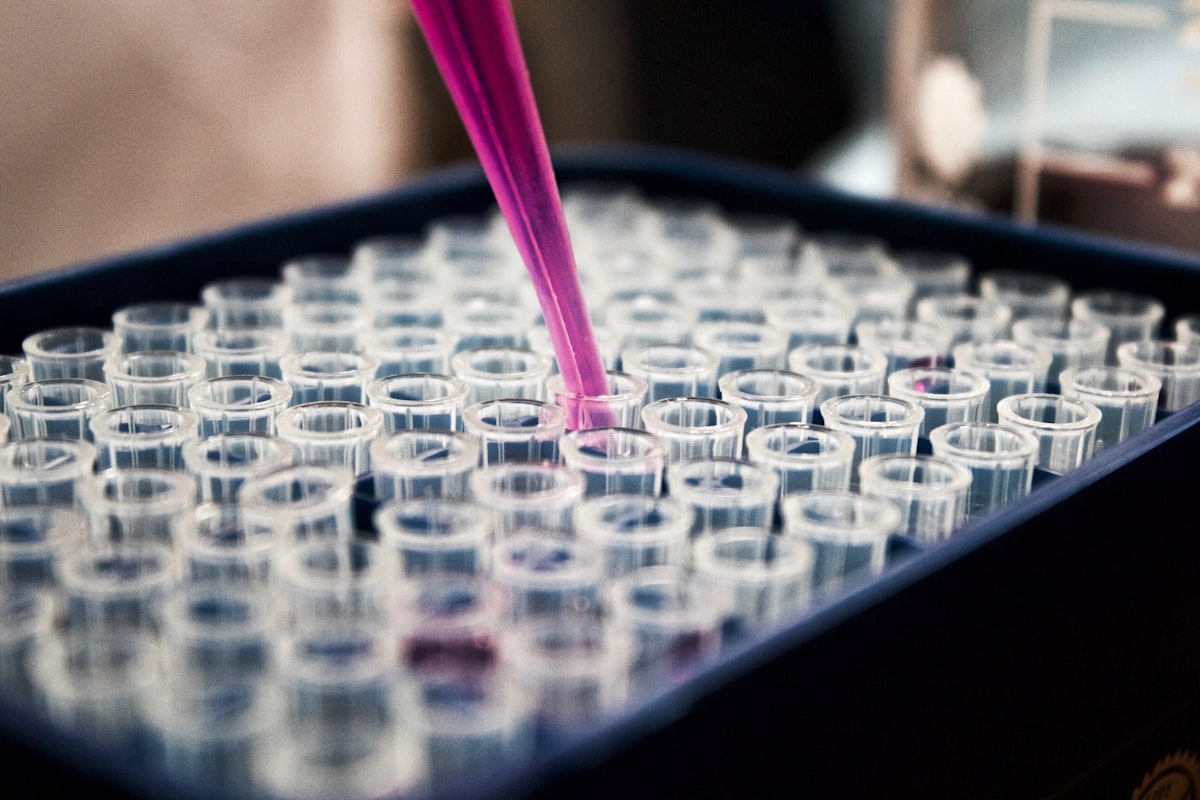
The practical component of GCE O Level Chemistry tests whether you can apply theory in a real laboratory setting. You are assessed on technique, observation, data handling, and the quality of your conclusions — not just whether you memorised definitions.
Most students complete two or three experiments within a single 1.5-hour session. Each task is designed to probe a different skill: identifying ions, measuring concentrations, preparing solutions, or investigating reaction behaviour.
Examiners look at how carefully you work, how clearly you record results, and whether your method matches standard lab practice. A correct final answer with sloppy procedure rarely earns full marks.
- Duration: 1.5 hours per session
- Weightage: 15% of your overall Chemistry grade
- Format: hands-on experiments plus written questions and short reports
- Skills tested: accuracy, safety, observation, analysis, and conclusion writing
Exam Structure at a Glance

Knowing how the paper is organised helps you manage time on exam day. You will typically move through distinct sections, each with its own apparatus and set of instructions.
Types of tasks
Expect a blend of qualitative analysis (identifying ions), quantitative work such as titration, and experiments linked to rates of reaction, heat changes, or electrochemistry. You may also be asked to prepare a solution to a stated concentration.
Written components
Alongside performing experiments, you will answer structured questions and complete report-style write-ups. These test whether you understand the chemistry behind what you observed — not only what happened in the test tube.
Marking focus
Markers reward correct technique, neat tabulation of data, logical working, and conclusions supported by evidence. Safety awareness and following instructions matter; skipping steps or using contaminated glassware can cost marks even when your answer looks right.
Key Experiments to Master

While the exact practical paper changes each year, certain topic areas appear regularly. Build familiarity with the standard procedure, expected observations, and typical follow-up questions for each.
Qualitative analysis
You will test unknown samples with reagents to identify cations and anions. Record colour changes, precipitates, and gas evolution carefully — small details often determine which ion is present.
Titration
Titration measures the concentration of a solution by reacting it with a standard solution of known concentration. Practice reading burette volumes accurately, swirling consistently, and stopping at the true endpoint.
Solution preparation
You may need to dissolve a solid or dilute a stock solution to reach a target molarity. This tests your understanding of moles, volume, and careful measurement.
Rates of reaction
Experiments often explore how temperature, concentration, surface area, or catalysts affect reaction speed. Control variables strictly and time readings consistently.
Heat and electrochemistry
Some papers include calorimetry-style tasks (temperature change during a reaction) or simple electrochemical cells. Review the underlying theory so you can explain your readings, not just record them.
How to Revise for Chemistry Practical

Practical revision is different from theory revision. You need both conceptual understanding and repeated hands-on practice under timed conditions.
Strengthen your theory first
Mole calculations, ionic equations, and concentration formulas underpin most practical tasks. If you jump straight to past papers without solid fundamentals, you will lose time correcting basic errors during the exam.
Make every lab lesson count
School lab sessions are limited and shared across many classes. Attend each one, note which experiment type is being practised, and treat it as a full dress rehearsal — setup, procedure, recording, and conclusion.
Review errors systematically
After each practice, ask whether a mistake was careless (misread scale), procedural (wrong indicator), or conceptual (misidentified ion). Targeted correction prevents the same error from recurring under exam pressure.
Simulate exam conditions
When using past-year practical papers, complete the full 1.5-hour paper in one sitting, including report writing and data interpretation. Timed practice builds stamina and helps you pace each section realistically.
Common Mistakes That Cost Marks

Many practical marks are lost through repeatable errors rather than lack of knowledge. Watch for these pitfalls in qualitative analysis, titration, and rate experiments.
Qualitative analysis
Contaminated glassware, reused reagents, or testing only once can lead to false observations. Clean equipment between tests and repeat key steps when results are ambiguous.
- Using unclean test tubes or droppers
- Drawing conclusions from a single observation
- Forgetting to note gas evolution or precipitate colour accurately
Titration
Overshooting the endpoint, poor mixing, or choosing the wrong indicator are frequent causes of inaccurate titre values.
- Adding titrant too quickly past the colour change
- Failing to swirl the flask for uniform mixing
- Using an indicator that does not match the acid–base pair
Rates of reaction
Inconsistent timing, uneven reactant mixing, or ignoring catalyst effects can distort your rate measurements and weaken your conclusion.
- Uneven mixing creating local hotspots of high concentration
- Inaccurate measurement of volumes, masses, or reaction time
- Overlooking how a catalyst changes the reaction pathway
Study Resources and Extra Support

Combine school notes with past-year practical papers and topic-specific revision booklets. Many students find compiled practical question sets helpful for spotting recurring experiment formats.
Diagrams, short video walkthroughs, and worked examples can clarify procedures you have only seen once in class — especially titration curves and ion identification flowcharts.
If practical work remains a weak area, a dedicated chemistry tutor can walk you through standard experiments step by step, drill data-handling skills, and run timed mock practicals tailored to your syllabus.
- Past-year GCE O Level Chemistry practical papers (timed practice)
- School lab worksheets and teacher-marked corrections
- Topic summaries for qualitative analysis and titration
- One-to-one chemistry tuition through Tutor Circle for personalised coaching
Conclusion
The O Level Chemistry practical rewards preparation, precision, and calm execution. Review the exam format, practise core experiments until the steps feel automatic, and learn from every mistake in lab and in past papers. With consistent revision — and targeted help from a chemistry tutor when you need it — you can turn the practical paper into a genuine strength rather than a source of anxiety. Request a tutor through Tutor Circle if you would like one-to-one support ahead of your exam.