PSLE Singapore: The Complete Guide to PSLE in Singapore
The Primary School Leaving Examination (PSLE) is the first major national exam for Singapore students. Taken at the end of Primary 6, it determines secondary school placement and sets the course for the next chapter of education.
Since 2021, PSLE uses Achievement Levels (ALs) instead of T-scores. This guide explains the new scoring system, the four exam subjects, how S1 posting works, and practical ways to prepare — plus how tuition can support your child.
Tutor Circle matches P6 students with experienced PSLE tutors across English, Maths, Science, and Mother Tongue.
What Is the PSLE?
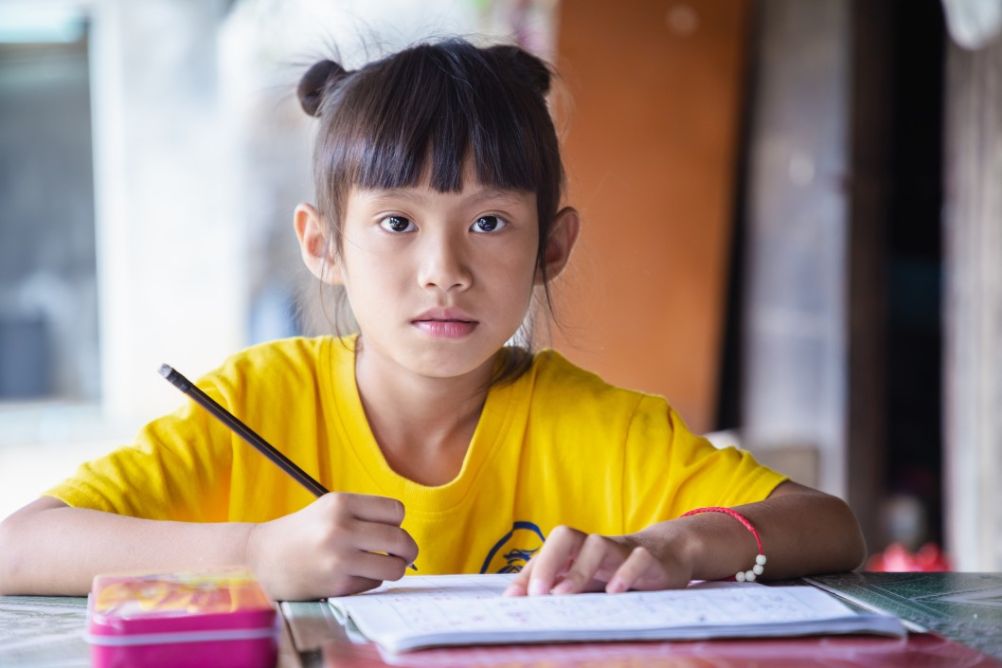
PSLE is a placement examination, not a pass-or-fail test. It assesses whether students are ready for secondary school subjects at Express, Normal (Academic), or Normal (Technical) level.
All P6 students in MOE schools sit four subjects: English, Mathematics, Mother Tongue, and Science. Papers are held annually, usually in late September and early October, with results released in November.
- Taken at the end of Primary 6
- Four standard subjects: English, Maths, Mother Tongue, Science
- Foundation-level papers available for eligible students
- Results determine secondary school course and posting
PSLE Scoring: Achievement Levels Explained

Each subject is graded AL 1 to AL 8 (AL 1 is the best). Your PSLE Score is the sum of all four ALs, ranging from 4 (best) to 32.
Foundation subjects are graded AL A to AL C and mapped to Standard-level equivalents for secondary school posting. Schools have used ALs in internal exams since P5 to help families adjust to the system.
- PSLE Score = sum of four subject ALs (4 to 32)
- AL 1: 90% and above; AL 2: 85–89; AL 3: 80–84 (approximate bands)
- Express course: typically PSLE Score 4–20
- Normal (Academic): typically 21–25; Normal (Technical): 26–30 with AL 7+ in English and Maths
The Four PSLE Subjects

Each subject tests different skills. Balanced preparation across all four is essential — a strong Maths score cannot fully compensate for a weak Mother Tongue grade when computing your total PSLE Score.
English
Components include composition, situational writing, comprehension, and oral communication. Strong vocabulary, grammar, and clear expression are tested across papers totalling around three to four hours.
Mathematics
Paper 1 includes multiple-choice and short-answer questions; Paper 2 features challenging problem sums. Heuristics such as model drawing and working backwards are key skills.
Science
Covers themes from P3 to P6 including diversity, cycles, systems, interactions, and energy. Application questions test whether students can use concepts in new contexts.
Mother Tongue
Chinese, Malay, or Tamil — assessed through composition, comprehension, oral, and listening components. Higher Mother Tongue is available for eligible students.
How to Prepare for PSLE
Effective PSLE preparation combines concept mastery, exam technique, and wellbeing. Cramming in P6 alone is rarely enough — gaps from P4 and P5 should be addressed early.
- Start topical revision by mid-P5; intensify with past-year papers in P6
- Practise timed papers to build stamina and time management
- Review mistakes after every practice — keep an error log
- Maintain sleep, exercise, and downtime to avoid burnout
- Clarify doubts with teachers or tutors before they multiply
Role of tuition
PSLE tuition helps when your child needs targeted help in problem sums, Science application questions, or Mother Tongue composition. One-to-one tutors can focus entirely on weak areas and provide structured mock exams with detailed feedback.
Secondary 1 Posting

After PSLE results are released, students submit six school choices through the S1 Internet System (S1-IS). Placement is based on PSLE Score, citizenship, choice order, and tie-breakers if needed.
Indicative cut-off points from the previous year give a rough guide, but they change annually. Meeting the cut-off does not guarantee admission when demand exceeds places.
- Submit 6 school choices within 7 days of results release
- Tie-breakers: citizenship → choice order → computerised balloting
- Students can also apply to IP schools or specialised schools separately
- Appeals are possible if placement is unsuccessful
Frequently Asked Questions

Is there a passing mark for PSLE?
No. PSLE is a placement exam. Every score leads to a secondary school placement at an appropriate course level.
Is PSLE free?
Yes, for Singapore citizens in government and government-aided schools. Check MOE for the latest fee policies for other categories.
What if my child is unwell on exam day?
Inform the school immediately and visit a doctor. SEAB may arrange special consideration or a later sitting depending on circumstances and medical documentation.
How can Tutor Circle help?
Tutor Circle provides PSLE tutors for all four subjects. Submit a free request at tutorcircle.sg, share your child's weak areas, and receive tutor profiles within 24 hours. Lessons at home or online — no agency fees for parents.
Conclusion
PSLE is a significant milestone, but it is one step in a longer journey. Understand the AL scoring system, prepare steadily across all four subjects, and seek help when your child needs it. Tutor Circle is ready to match you with an experienced PSLE tutor — request one today at no cost to parents.