IP vs O-Level (SEC): Which Path Fits Your Child?
13 October 2026 · Tutor Circle
From 2027 the exam people still call the O-Level is the Singapore-Cambridge Secondary Education Certificate, the SEC. The Integrated Programme skips that exam. IP is six years to the A-Level, the IB Diploma, or the NUS High School Diploma. The SEC track is four years, with each subject taken at G1, G2 or G3. The right path is the one the child can stay on, not the one with the most famous name.
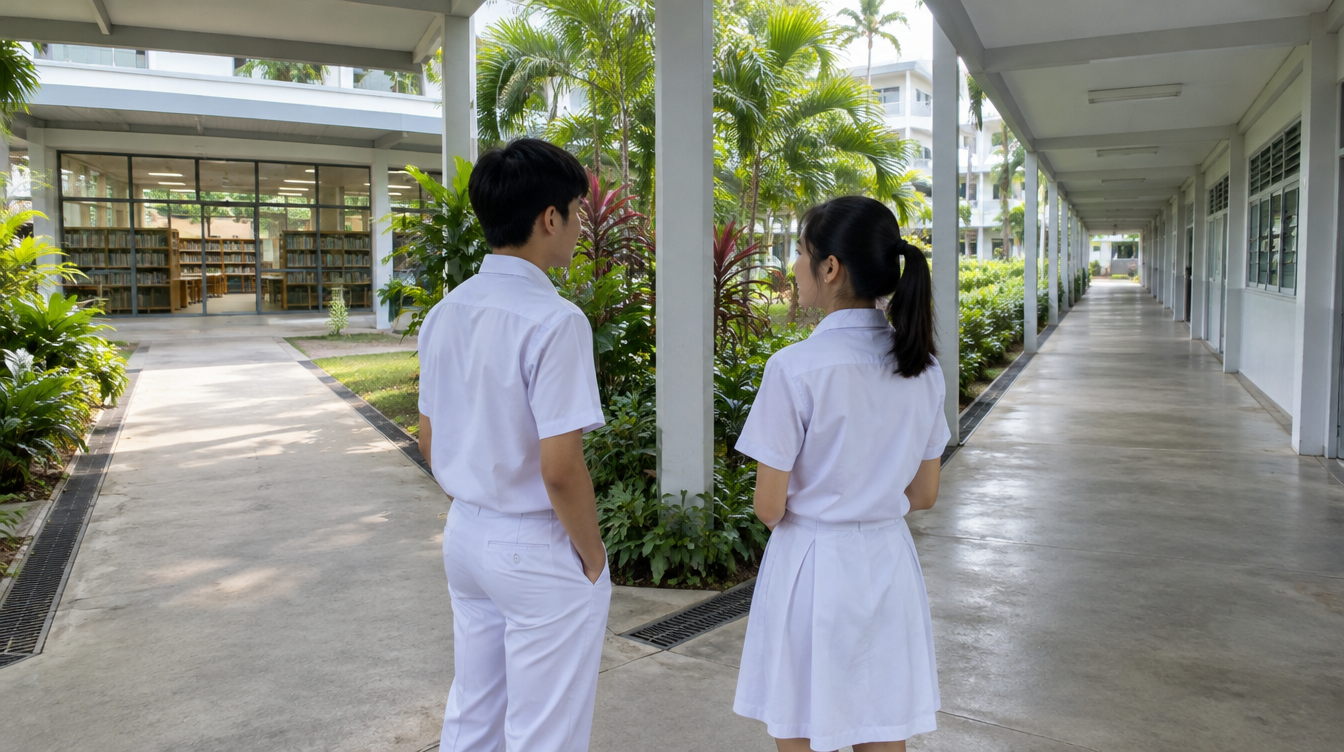
- SEC track
- 4 years, subjects at G1, G2 or G3, national exam at Sec 4. A fifth year is possible
- IP
- 6 years. No SEC at Sec 4. Ends in A-Level, IB Diploma, or NUS High Diploma
- What replaced O-Level
- The SEC, first sat in 2027. G3 uses the O-Level standard
- Commitment
- IP students are expected to stay for the six years
- A later door
- A SEC student who does well can apply to join IP at Sec 3
- How you enter
- S1 posting by PSLE Score, or DSA-Sec. Cut-offs move every year
The two paths
MOE sets the comparison in those terms. The SEC is the certificate for students in Full Subject-Based Banding. The IP is a separate six-year course, and the school’s own programme fills the years that a SEC student spends preparing for Secondary 4. [1] [2]
| SEC track | Integrated Programme | |
|---|---|---|
| Length | 4 years, with a possible fifth | 6 years, secondary and pre-university together |
| Sec 4 exam | SEC, subjects at G1, G2 or G3 | No SEC |
| What you leave with | The SEC, then JC, Millennia Institute, polytechnic or ITE | A-Level, IB Diploma, or NUS High Diploma, then university applications |
| Subject levels | Can differ by subject, and can be adjusted | The school’s IP curriculum, broader and school-specific |
| Leaving early | The SEC is a national certificate you can carry | Transfers out are disruptive. Transfers to another IP school are exceptional |
G3 is the standard that corresponds to the former O-Level. The certificate, the grades and the 2027 timetable are explained on the SEC exam page. [3]
IP schools and where they lead

These are the secondary-entry IP schools families compare during posting. The Years 5 and 6 destination is the publicly stated partner. Confirm it on the school’s admissions page for the year you are choosing. A partner junior college is not an extra IP school.
| School | Years 5–6 | Qualification |
|---|---|---|
| Raffles Institution | Raffles Institution | A-Level |
| Raffles Girls’ School | Raffles Institution | A-Level |
| Hwa Chong Institution | Hwa Chong Institution | A-Level |
| Nanyang Girls’ High | Hwa Chong Institution | A-Level |
| National Junior College | National Junior College | A-Level |
| Temasek Junior College | Temasek Junior College | A-Level |
| Dunman High | Dunman High | A-Level |
| River Valley High | River Valley High | A-Level |
| Victoria School | Victoria Junior College | A-Level |
| Cedar Girls’ | Victoria Junior College | A-Level |
| Catholic High | Eunoia Junior College | A-Level |
| CHIJ St Nicholas Girls’ | Eunoia Junior College | A-Level |
| Singapore Chinese Girls’ | Eunoia Junior College | A-Level |
| Anglo-Chinese School (Independent) | ACS (Independent) | IB Diploma |
| St Joseph’s Institution | St Joseph’s Institution | IB Diploma |
| Methodist Girls’ School | ACS (Independent) | IB Diploma |
| NUS High School of Math and Science | NUS High | NUS High Diploma |
Cut-off scores change with the cohort. The latest posted ranges, and how to read them under Full Subject-Based Banding, are on the secondary school rankings page. A score that cleared an IP school last year is a reference, not a promise.

Which child fits which path
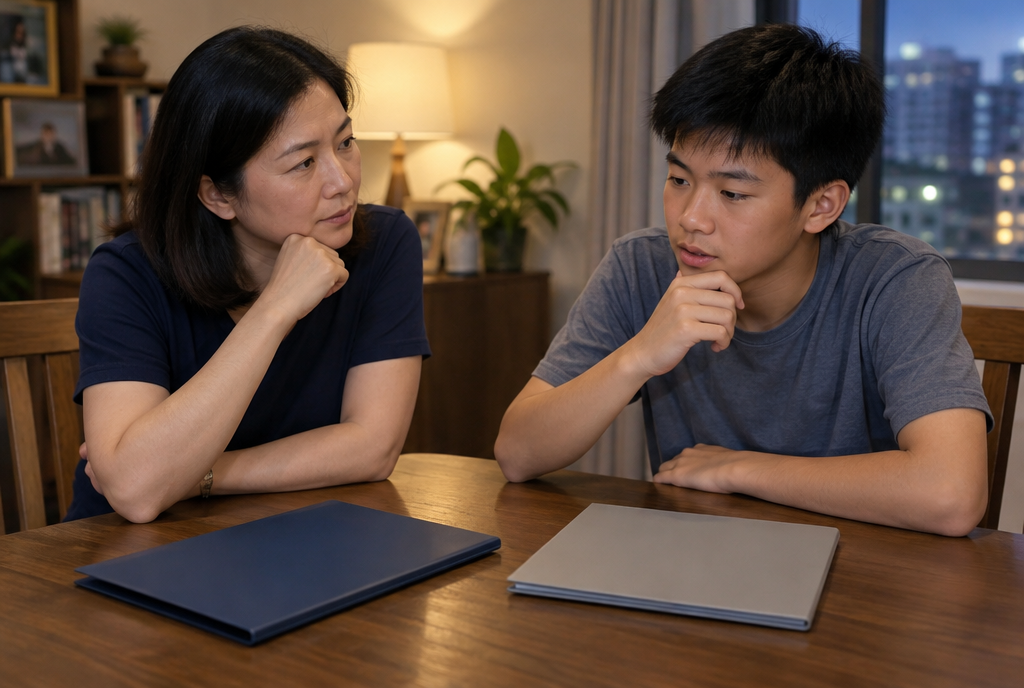
Choose the six years the child can finish
- IP fits a child who is already working independently, who is steady across subjects rather than brilliant in one, and whose family is comfortable with no national checkpoint at 16.
- The SEC track fits a child who may want a polytechnic, who takes some subjects more securely than others, or who does better with a public exam as a milestone. Subject levels can still be adjusted. That flexibility is the point of Full SBB.
- The IB IP schools are a different classroom from the A-Level IP schools. Read the school’s own curriculum page, not only the cut-off.
- A child who is outstanding in one talent and ordinary in the others may be a DSA candidate rather than a PSLE-score candidate. The talent does not remove the need to cope with the academic programme after they are in.
Posting, DSA, and a Sec 3 transfer
Most IP places are filled through Secondary 1 posting, using the PSLE Score. Some places are filled earlier through DSA-Sec. A child who accepts a DSA offer is posted to that school and does not join the later posting exercise. If the school runs both programmes, indicate a preference only after you have read what each track in that school actually teaches.
A child who enters on the SEC track is not shut out of IP forever. MOE allows a transfer application at Secondary 3 for students who have done well. That is a second look, two years in, and it is competitive. It is a poor reason to ignore the SEC track now if the PSLE Score does not reach an IP school. How the score is built is on the AL calculator. What happens in the weeks after results is on the S1 posting page.
If the choice is already IP and the worry is coping in Year 1, the academic jump is the same one every Sec 1 student meets, with a faster pace on top. Algebra is the usual first crack. That is covered on the Sec 1 algebra page.
Questions parents ask
What is the difference between IP and the O-Level?
The O-Level, together with the N-Levels, is replaced from 2027 by the Singapore-Cambridge Secondary Education Certificate, the SEC. The SEC track is four years, with subjects taken at G1, G2 or G3, and a national exam at the end of Secondary 4. The Integrated Programme is six years. IP students do not sit the SEC at Secondary 4. They finish with the A-Level, the IB Diploma, or the NUS High School Diploma, depending on the school.
Is IP harder than the SEC track?
IP assumes the student can handle a broader pace without a national exam at Secondary 4 to reset the course. The academic demand is high, and the school expects the student to stay for the full six years. A child who needs the structure of a national exam in Secondary 4, or who may want a polytechnic route, is often better served on the SEC track, where subject levels can still move.
Can my child enter an IP school through DSA?
Yes, where the school offers DSA-Sec for that talent. If the school offers both an IP and a SEC programme, the application asks for a preference, and the school may offer a different track from the one indicated. Accepting a DSA-Sec offer commits the child to that school. They then do not take part in the Secondary 1 posting exercise. DSA dates and talent areas are on the DSA-Sec page.
Can a SEC student transfer into IP later?
MOE says students on the SEC track who perform well can apply to transfer to the IP at Secondary 3. Transfers between IP schools are not the normal path. IP students are expected to complete the six years at the school they join, because the programme is built as one course.
Does NUS High take students through S1 posting?
Check NUS High’s admissions page for the intake you are applying to. The school’s route is the NUS High School Diploma, not the A-Level or the IB, and its selection is focused on mathematics and science. A cut-off copied from a general IP list will mislead you if the school is filling the year through DSA-Sec.
Sources
- Ministry of Education, Integrated Programme. A six-year course leading to the A-Level, the IB Diploma or the NUS High School Diploma. Students do not sit the SEC in Secondary 4. Transfers between IP schools are not allowed except in exceptional cases. SEC students who do well may apply to transfer to the IP at Secondary 3. Accessed 13 October 2026. https://www.moe.gov.sg/secondary/schools-offering-full-sbb/schools-with-specialised-curriculum/integrated-programme
- Ministry of Education, secondary school pathways. The SEC track is four years under Full Subject-Based Banding, with an option of a fifth year, and leads to the SEC. The IP is six years and does not include the SEC at Secondary 4. Accessed 13 October 2026. https://www.moe.gov.sg/secondary/s1-posting/how-to-choose/explore-schools
- Singapore Examinations and Assessment Board, Secondary Education Certificate. From 2027 the N(T), N(A) and O-Level examinations are combined and renamed the SEC. Accessed 13 October 2026. https://www.seab.gov.sg/secondary-education-certificate-sec/